

Smooth Start to South African Elections as Special Votes Cast in Record Numbers
The Electoral Commission of South Africa (IEC) officially reported an efficient and well-organized commencement to the special voting process ahead of the country's highly anticipated general elections. A staggering 1.6 million people registered to partake in this early voting system, specifically designed for individuals who are unable to attend their respective polling stations on the official election day.
The IEC's deputy chief electoral officer, Masego Shiburi, provided detailed insights into the special voting day, explaining that the overall process went smoothly, despite facing a few isolated challenges. Shiburi emphasized that these challenges were minimal compared to the extensive preparations and logistic efforts carried out by the IEC. However, he did caution that the final results might experience delays due to the substantial increase in workload, especially with the entrance of independent candidates in the election race.
"The challenges we encountered were insignificant in the grand scope of our preparations," Shiburi said during a briefing. "The dedication of the IEC staff and the efficiency of the special voting system has truly been commendable. However, given the increased pressure resulting from the introduction of independent candidates, we may not be able to announce the final results within our usual three-day timeframe. We are aiming for Sunday, although there is a chance results may be available by Saturday evening if processing progresses rapidly."
Voters Express Satisfaction and Optimism
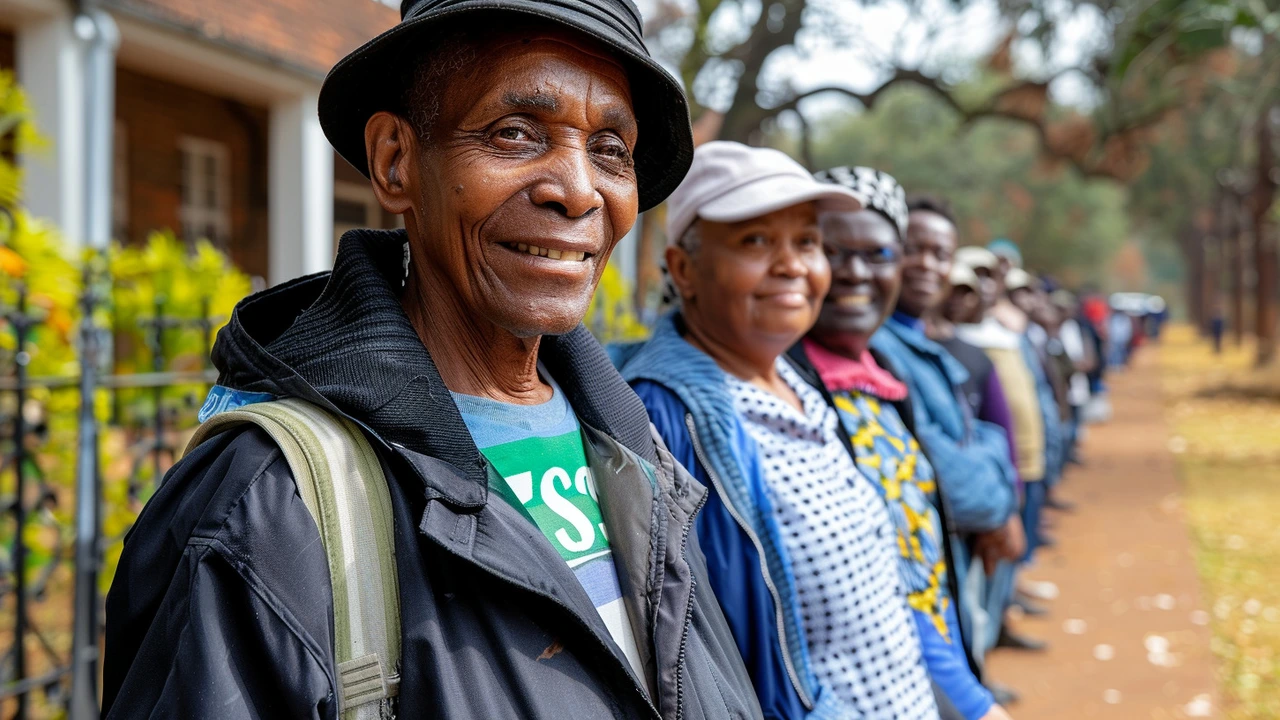
In Pietermaritzburg, where a significant number of special votes were cast, residents voiced their support and gratitude for the well-executed voting process. Many described their experiences as seamless and efficient, highlighting the convenience offered to those who would have otherwise faced difficulties voting on election day. Senior citizens, in particular, praised the initiative, as IEC officials visited them in retirement homes and personal residences to collect their votes.
"I appreciate the effort the IEC has put into accommodating us," remarked one elderly voter. "It’s comforting to know that even if I can't physically go to the polling station, my vote still counts." Such logistical considerations reflect the IEC’s commitment to ensuring inclusive and accessible voting for all eligible citizens, fostering a sense of participation and democracy across the nation.
Among the South African populace casting their special votes, sentiments of hope and anticipation for positive change were palpable. An underlying desire for improved living conditions and more reliable service delivery were common themes in voter feedback. This election, laden with expectations, presents an opportunity for citizens to voice their aspirations for the future direction of the country.
Challenges and Prospects
The special voting process encountered by the IEC was not without its slight hurdles. Sporadic reports of logistical hiccups surfaced, including difficulties in reaching some voters in remote areas, slight delays in vote collection, and isolated technical glitches with the voting equipment. Nevertheless, these issues were swiftly addressed by the competent IEC teams, ensuring minimal disruption to the overall voting process.
The introduction of independent candidates into the election race adds a new dynamic to South Africa's political landscape. This alteration not only increases the workload for the IEC but also diversifies the choices available to voters, potentially altering electoral outcomes. The presence of these candidates signifies a shift towards a more pluralistic democratic process, signaling that citizens are exploring varied political ideologies and leadership styles beyond the traditional party structures.
Extended Processing Time for Results
Given the unprecedented number of special votes and the added inclusion of independent candidates, the IEC has acknowledged that this election cycle's result announcement may be delayed. Traditionally, the results are announced within a three-day period post-election. However, the extensive verification and counting process required this year has extended the anticipated timeframe.
Although Shiburi expressed optimism about the results being potentially available by Saturday evening, the IEC is primarily aiming for Sunday to ensure accuracy and comprehensive validation of all ballots. This extended time frame illustrates the meticulous nature of the electoral process, which prioritizes accuracy and legitimacy over speed.
Moreover, the efficacy demonstrated during the special voting phase sets a positive precedent for the main election day. If the initial indicators are anything to go by, South Africa is likely headed for an orderly, fair, and transparent election, reflecting the democratic values the nation strives to uphold.
Conclusion
The smooth commencement of South Africa's special voting process indicates strong organizational skills and dedication from the IEC. With the record number of voters participating in this early phase, it is clear that efforts to make voting more accessible are succeeding. The minor challenges encountered are negligible compared to the overall success of the initiative. Despite the potential delay in announcing the results, South Africans remain optimistic about the changes they hope this election will bring. The inclusion of independent candidates introduces an exciting variable into the political arena, encouraging diverse representation. As the country prepares for the main election day, the collective hope for progress and positive change is unmistakable.
Chand Shahzad
May 28, 2024 AT 18:35Seeing the turnout for special votes climb to 1.6 million really highlights how inclusive the process has become.
When the IEC reaches out to seniors and remote voters, it sends a clear message that every voice matters.
Such proactive logistics can only strengthen democratic legitimacy.
I commend the staff for maintaining efficiency under pressure.
Let’s hope the final count reflects this commitment.
Eduardo Torres
June 11, 2024 AT 10:22The smooth start suggests the IEC’s planning paid off.
Emanuel Hantig
June 25, 2024 AT 02:09Observing the voter feedback, I’m reminded how essential convenience is for participation 🙂.
The early voting model reduces barriers, especially for those who can’t travel on election day.
It also gives candidates more time to engage with their constituents before the final count.
Overall, this could set a positive precedent for future elections.
Byron Marcos Gonzalez
July 8, 2024 AT 17:55Behold the cascade of ballots streaming like luminous rivers into democracy’s grand tapestry 🌊.
Chris Snyder
July 22, 2024 AT 09:42For anyone curious about how special votes are processed, the IEC uses portable verification kits that sync with the central database in real time.
These kits perform biometric checks and barcode scans to ensure each ballot is authentic.
They also have backup power units to handle outages in remote areas.
Because of this, the occasional hiccup you read about is usually resolved within hours.
Keep an eye on the official portal for live updates on counting progress.
Hugh Fitzpatrick
August 5, 2024 AT 01:29Oh great, another three‑day countdown that might stretch to a weekend-just what we needed for some extra binge‑watching time.
george hernandez
August 18, 2024 AT 17:15The early voting phase in South Africa stands as a remarkable case study in electoral logistics, demonstrating how technology and community outreach can converge to expand participation.
First, the sheer volume of 1.6 million registered special voters required a scalable registration platform that could handle spikes without crashing, a feat not many nations have achieved in a single rollout.
Second, the IEC’s decision to dispatch mobile collection teams to retirement homes and rural dwellings effectively eliminated the geographic friction that often disenfranchises the elderly and remote populations.
Third, the integration of real‑time data synchronization meant that each collected ballot could be cross‑checked against the central ledger within minutes, dramatically reducing the risk of duplicate or fraudulent submissions.
Fourth, training sessions for the field staff emphasized both procedural rigor and empathy, ensuring that voters felt respected while the integrity of the process remained uncompromised.
Fifth, the logistical challenges that did arise-such as occasional connectivity glitches in isolated villages-were met with rapid deployment of satellite uplinks, a contingency plan that underscores the IEC’s foresight.
Sixth, independent candidates entering the race added a layer of complexity, yet the system’s modular design allowed additional candidate data to be merged seamlessly into the counting algorithms.
Seventh, the public communication strategy, featuring daily briefings and transparent dashboards, kept citizens informed and helped quell rumors before they could fester.
Eighth, the collaborative effort between civil society groups and the IEC provided additional manpower and legitimacy, reinforcing the perception that this was a truly national undertaking.
Ninth, the early voting results will likely serve as a bellwether for the main election day, offering insights into voter sentiment and turnout trends across provinces.
Tenth, this experience could inspire neighboring countries to adopt similar early‑vote mechanisms, thereby strengthening democratic practices regionally.
Eleventh, the meticulous record‑keeping ensures that any post‑election audits will have a robust evidentiary trail, bolstering public confidence.
Twelfth, the emotional relief expressed by seniors who received home visits cannot be quantified, but it certainly adds a human dimension to the statistics.
Thirteenth, the IEC’s commitment to announcing results by Sunday, even if delayed, reflects a prioritization of accuracy over speed-a stance that many observers applaud.
Fourteenth, as the nation awaits the final count, the collective optimism evident in voter statements serves as a reminder that democracy thrives when people feel heard.
bob wang
September 1, 2024 AT 09:02Indeed, the IEC’s operational blueprint appears meticulously crafted, with each procedural node-registration, verification, transport, and tabulation-interlinked, thereby minimizing bottlenecks, ensuring redundancy, and fostering transparency; consequently, stakeholders can monitor progress via real‑time dashboards, which, in turn, bolster public trust 😊, while the inclusion of independent candidates adds a pluralistic dimension that enriches democratic discourse, a development worthy of commendation.
Seyi Aina
September 15, 2024 AT 00:49Look, the whole thing sounds slick but those remote‑area glitches? Yeah, they’re still a pain, and some folks probably got left out.
Alyson Gray
September 28, 2024 AT 16:35OMG the vibes i felt readin’ that piece – it’s like a rollercoaster of hope n anxiety!!! the seniors getting home visits? sooo heartwarming, but i can’t shake the fear that the count might drag on forever… i’m just praying the system holds up!
Shaun Collins
October 12, 2024 AT 08:22The delays are overblown nothing new.
Chris Ward
October 26, 2024 AT 00:09Honestly i think the whole “record numbers” hype is a bit over the top – sure it’s a lot but maybe it’s just noisy data not a sign of anything major.
Heather Stoelting
November 8, 2024 AT 14:55Love the energy around the votes it’s awesome to see people so pumped for change keep that spirit alive
Travis Cossairt
November 21, 2024 AT 17:20Well i get where you’re coming from but even noisy data can still signal a shift see the turnout numbers don’t lie